For me my internship with Pontydysgu has been more than just work experience, it has also been about gaining valuable life experience through learning to communicate in another language and living away from home. And so far my time with Pontydysgu has taught me more than I ever could have imagined, which was partly because I had no idea what to expect as I struggled to fully understand what Pontydysgu do, something that now I understand but struggle to explain because of the wide range of areas Ponydysgu covers. This diversity of the company has worked in my favour as it has allowed me to develop professional interests I didn’t know I had, such as working with Multimedia or social networking in education.
The most important thing I have learnt from my internship is to reflect on the things I learn and do. This isn’t really something I feel I experienced in school, particularly at the higher levels as my aim was to pass my exams and to jump through the necessary hoops to do so. Graham Attwell’s very different ideas on PLEs, social learning and reflective learning have led me in a completely different direction and in the process of learning about these things I feel I have begun to use them without even realising.
Now one of the things discussed in the very official Pontydysgu ‘meetings’ in the local pub was how I would compare my learning in Pontydysgu with the way I learnt in school. After much reflection I think the lack of official assessment contributes a great deal. My motivation to learn has changed. I am not trying to learn the necessary facts and methods to pass a certain exam, I am trying to best use the opportunity I have been given to expand my knowledge and experience. Much of the work I find I do in Pontydysgu is more valuable to me than the company. For example I am encouraged to blog and share my ideas so people can add and contribute to them or even upgrade my video editing competences from iMovie to Final Cut. It certainly improves the quality of my work for Pontydysgu but it has a far deeper value for me as an individual in the longer term.
This in my opinion is what is so essential about internships or the German Praktikum. It teaches you how to cope with that change of motivation from passing single exams to personal development.
My latest task within Pontydysgu was to attend a two day meeting on a current European project, as the other members of Pontydysgu were away doing internet radio at Online Educa Berlin. This project was on the development of toolbox to help with the process of a Praktikum for university students. This inadvertedly made me assess the value of my own internship experience, and the value that it holds for me. I think what makes these practical work experiences so important is that taste of the real world. All the support levels that the universities wanted to provide to make this transition easier showed me that this transition from pure learning to work can be a very big step whatever age the student is and work experience if properly managed can help bridge this gap.
It also provides an opportunity to bridge age gaps. Often students have a fresh perspective, particularly within the area of education. Having student interns work on projects for students seems so logical. They add a new but essential view point to the table for such projects. At the social of this meeting it was said to me how pleasant but unusual it was to have someone of such a young age socialising with the project members as an equal, and that many adults are afraid to take a gamble on young people. However I think internships do have the potential to provide valuable contributions not just for the student but for companies as well, if not just because we are cheap labour.
This expectation of very little from students can also work in our favour. I in particular find that working with under the name ‘intern’ makes my life far easier, because of my lack of experience people provide me more room to make mistakes and if I do or say something intelligent people are always incredibly impressed, when these sorts of comments are expected from full time more experienced employees. I am not trying to claim that this is necessarily a good title to hide behind, but rather it for me has held less pressure and will mean I feel more prepared when entering a full time job after I finish my studies, whatever area this may be in.
Internships can vary a great deal and I feel very lucky that mine has turned out so well and that I am learning so much.

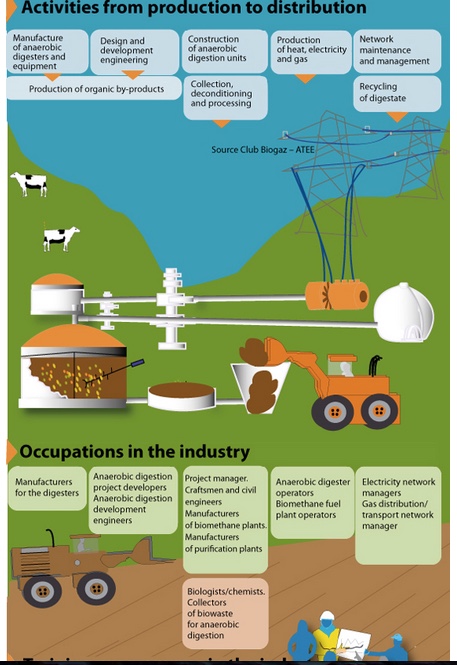 As ever I am doing lots of work on labour market data and education and training. While we know pretty well how to take great slabs of data and turn it into various different charts – some more imaginative than others – this still leaves problems in how to illustrate ideas. data charts can be pretty dull – more than that they rely on the ability of the user to interpret that data – what we call the move from labour market information to labour market intelligence.