Chalkface
February 2nd, 2010Chalkface is a new space on the Pontydysgu website. It is an area where we are planning to collect together all those posts that deal with stuff to do with classroom practice.
Chalkface is a new space on the Pontydysgu website. It is an area where we are planning to collect together all those posts that deal with stuff to do with classroom practice.
Originally posted on Babi Tech:
I’m sure you’re all dying to know which apps made it to the current BabiTech list. If there’s something missing that Babis 1 and 2 really need to have, stick it in the comments and we’ll try it out. Toca Boca Toca Boca’s Hair Xmas, Toca Builders, Toca Band, Toca…
I had a pretty exciting and busy couple of days in London during their annual technology week. Straight off the train I met Vini from Quizalize which is hands down the best online quiz creator for educators I have used yet with the added bonus feature of live feedback. I don’t think they are embeddable but […]
An excerpt from the Taccle2 handbook for Primary teachers. You can download all of the books for free from the Taccle2 website.
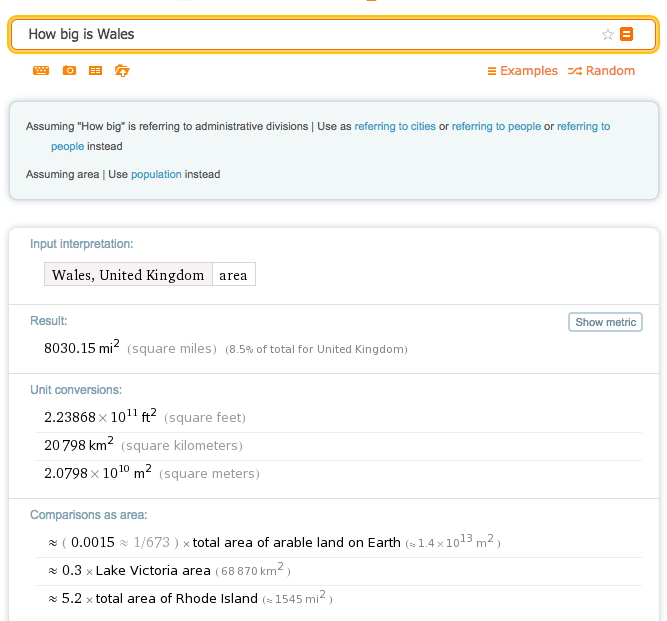
WolframAlpha is a search engine that works completely differently from, say, Google.[[1]] Whereas other search engines will provide reams and reams of results in the form of web pages, many of them too detailed and difficult for learners to read and extract what they want, results on WolframAlpha are clearer and much less wordy. It is also a good idea to get children used to the idea that there are different sorts of search engine.
Description
This scientific search engine is great for learners who want information and data on specific, ‘technical’ themes e.g. countries, animals, famous people, materials. For example, you may want them to write a project on the countries in the European Union, or to collect data specifically on one topic for a maths lesson e.g. populations of the countries in Europe.
Begin by asking learners to go to the WolframAlpha homepage. Then ask them to type a keyword, question or maths equation into the box beneath ‘Enter what you want to calculate or know about’. Click on the ‘=’ to get their results.
WolframAlpha will give the results of different meanings of the word e.g. if you type ‘France’ you will be given information and data relating to the country e.g. flag, location on a map, population etc. However, it will also give you alternative meanings you can search on e.g. ‘a given name’. Clicking on this will load a different page and a different result. In this example, it gives an outline of ‘France’ as a ‘female given name in the US’.
The word ‘banana’ is another good one to try – it gives about 5 or 6 different definitions of the word and you can search on any of them with surprising results.
We also like the little fun questions that pop out of the left hand side of the screen. You can click on them to get the answers.
What do I need?
Pupils will need a very quick tutorial – max 10 mins!
[1] Wolfram Alpha is a Computational Search Engine – it computes the answer from separate items of data rather than giving you a list of web pages that might have useful information. Google is a Semantic Search Engine that takes the text you type in and ‘matches’ it against the key words on a web site.
More ideas from our Taccle2 Handbooks for teachers, I couldn’t pass up an excuse to get Tom Lehrer on the Pontydysgu website!
Mark Rosengarten has recorded a lot of chemistry tutorials and songs. One of our favourites is “It’s a family thing” a song about a list of organic molecules. It’s great to use at the end of the lesson so that you can end the lesson on a high. You can also give students the link to use the song as a revision aid. Watch out for humming during exams!
The other classic song (which may only be familiar to those of us of a certain age) is Tom Lehrer’s ‘Elements Song’. Some versions have pictures of the elements for added interest. Or you can find a version with words. Divide the class into groups and let them have an impromptu karaoke session – can they keep up with him? A lyrics sheet may nelp! Total chaos but fun.
Divide your class into groups and ask them to write their own song about something they are learning in chemistry. Create a podcast using Audacity (or GarageBand on a Mac). If you don’t feel confident about that, make a PowerPoint and add a voice over. Or use Helloslide or Knovio.
All of the Taccle2 handbooks are available to download for free from the Taccle2 website.
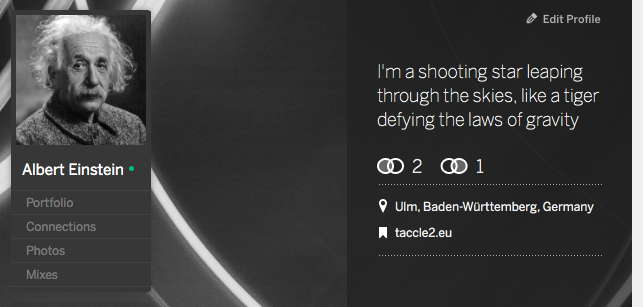
Over the coming weeks I’m going to share some practical ideas from the Taccle2 Handbooks on e-learning for teachers of Primary, STEM, Humanities, Creative and Performing Arts and Key Skills. Here are some ideas for exploring How Science Works.
Ask your students to create a social networking profile for a scientist on MySpace explaining their discoveries. Find a list of scientists and see our Einstein page for inspiration. Get each person in the class to add a Facebook profile for a famous scientist – who would their ‘friends’ be? What would their favourite books or music be? What sort of conversations or arguments would they have with each other? (it’s more fun if you assume that they they can communicate over time as well!)
Find present day scientists on Linked-In or academia.edu or MyExperiment. What research are they doing right now? Create a class blog where students can record what they have learned and use the comments to discuss who was the most important scientist in history.
Talking of debates, check out aMap to start an argument. Students follow the on-screen instructions in order to join an existing argument or start a new argument. They’ll have to provide an email address, name and location but you can use the same email for multiple users. They are prompted to add reasons and supporting evidence for their argument. When they have finished they get an embeddable mind map which others can reply to by creating their own “argument map”. See the Taccle2 blog for an example.
All of the Taccle2 handbooks are available to download for free from the Taccle2 website.
This week we are in Brussels for the final meeting and conference of the Taccle2 project. More info and ideas to come but for now, here’s a sneak peek of what went on!
We all love the Taccle2 website, but we would really like to know what you think about it.
We want to know if you find it easy to use, if the content is interesting enough and if it well structured.
That is why we would like you to answer 5 very simple on-line questions (the questionnaire is available in several languages) :https://www.surveymonkey.com/s/L98VVSW
This will take less than 5 minutes of your time and it will help us a lot to know if we need to improve the website or if you like it just as it is.
Thank you very much for your input.
Always on the lookout for practical ways to use technology in the classroom, Pontydysgu were scoping out new ideas at Bett 2014.
We liked the new Lego storytelling kit. One set gives you a tray of Lego bits, there are minifigs, cats, frogs, brooms, Christmas trees and more. You also get a book of lesson plans and ides and the accompanying software. There’s also a spinner to help choose a genre or character for storytelling inspiration. The idea is that children work in groups to tell a story, each group has a kit with enough lego bits to recreate the same scene 5 times only each one is slightly different as their stories progress. They then take photos of their scenes and upload them to a computer where they can drag and drop the photos into a comic strip style template, add backgrounds and captions and print their story.
The software is nice and simple to use, the lego kit has been carefully selected for optimum storyline coverage and it has the lego brand – guaranteed to spark some interest in even the most reluctant of storytellers.
Now, here at Pontydysgu we like a good idea, but what we like even more is a free idea. So in the tradition of those catwalk-fashion at highstreet-prices magazine articles I bring you “BETT on a budget”
To create your own comic strip you will need;
A collection of small-world-play or dolls house characters and accessories.
A camera/ webcam/ cameraphone with the ability to transfer your photos to a computer.
Internet access.
An app or web based tool for comic strip creation using photographs.
Here are some I’ve been trying out this week;
Web based
Toondoo – Free- You need to create account but it is easy to do. Upload photos, edit, cut shapes out and save, then go to cartoon creator, choose comic strip layout and you can put your own images into a cartoon, choose layout template, drag and drop backgrounds and cliparts, callouts and thought bubbles to create a story.
Downloads
Lego Storystarter software – for creating comics, and other styles Newspaper, old manuscript £107.99 inc VAT (the whole kit based on a class of 30 is £779.99 in VAT)
Comic Life – Cost £11.99 for a single user license or £1,049 for a site license.
Apps for iOS/Android
Comic touch – Free – From the creators of comic life this App cartoonises one photo at a time with no comic strip mode so you would have to print them and reassemble into a comic strip or download the pictures after editing and then use a different tool to put your story together.
A couple of years everyone was predicting that virtual reality would be the next big thing in educational technology. Of course it didn’t happen and everyone moved on to the next big thing. But in the meantime the technology has developed. More importantly, teachers and students have themselves worked out how to use the technology for teaching and learning. This video shows how augmented reality app Aurasma is being used in a primary school in the UK. Incidentally., after watching this, I think we should leave explaining technology to children. They do it so much better!
 (30)
(39)
(24)
(3)
(16)
(2)
(55)
(2)
(81)
(11)
(35)
(66)
(9)
(4)
(12)
(50)
(1)
(96)
(115)
(1)
(5)
(35)
(16)
(31)
(47)
(4)
(47)
(107)
(33)
(162)
(9)
(4)
(1)
(64)
(6)
(40)
(58)
(2)
(3)
(3)
(49)
(63)
(20)
(3)
(3)
(398)
(53)
(60)
(2)
(10)
(9)
(4)
(166)
(107)
(12)
(19)
(17)
(20)
(26)
(13)
(14)
(1)
(1)
(1)
(1)
(3)
(2)
(10)
(1)
(1)
(63)
(10)
(10)
(11)
(4)
(18)
(67)
(1)
(4)
(3)
(408)
(9)
(287)
(28)
(1)
(2)
(28)
(1)
(1)
(342)
(36)
(80)
(54)
(60)
(29)
(3)
(259)
(12)
(93)
(4)
(49)
(4)
(4)
(13)
(143)
(140)
(29)
(4)
(4)
(154)
(50)
(16)
(1)
(1)
(257)
(16)
(124)
(23)
(18)
(70)
(14)
(139)
(104)
(1)
(2)
(2)
(4)
(2)
(4)
(5)
(2)
(14)
(2)
(22)
(140)
(10)
(44)
(40)
(36)
(171)
(114)
(66)
(1)
(3)
(25)
(145)
(24)
(3)
(344)
(5)
(4)
(74)
(23)
(16)
(184)
(42)
(73)
(33)
(39)
(214)
(13)
(12)
(41)
(1)
(3)
(46)
(1)
(1)
(1)
(9)
(26)
(42)
(3)
(88)
(12)
(1)
(1)
(34)
(48)
(70)
(149)
(238)
(34)
(18)
(21)
(106)
(82)
(1)
(7)
(12)
(393)
(104)
(109)
(146)
(4)
(169)
(11)
(17)
(1)
(14)
(90)
(119)
(31)
(1,298)
(59)
(2)
(2)
(6)
(1)
(399)
(5)
(30)
(39)
(24)
(3)
(16)
(2)
(55)
(2)
(81)
(11)
(35)
(66)
(9)
(4)
(12)
(50)
(1)
(96)
(115)
(1)
(5)
(35)
(16)
(31)
(47)
(4)
(47)
(107)
(33)
(162)
(9)
(4)
(1)
(64)
(6)
(40)
(58)
(2)
(3)
(3)
(49)
(63)
(20)
(3)
(3)
(398)
(53)
(60)
(2)
(10)
(9)
(4)
(166)
(107)
(12)
(19)
(17)
(20)
(26)
(13)
(14)
(1)
(1)
(1)
(1)
(3)
(2)
(10)
(1)
(1)
(63)
(10)
(10)
(11)
(4)
(18)
(67)
(1)
(4)
(3)
(408)
(9)
(287)
(28)
(1)
(2)
(28)
(1)
(1)
(342)
(36)
(80)
(54)
(60)
(29)
(3)
(259)
(12)
(93)
(4)
(49)
(4)
(4)
(13)
(143)
(140)
(29)
(4)
(4)
(154)
(50)
(16)
(1)
(1)
(257)
(16)
(124)
(23)
(18)
(70)
(14)
(139)
(104)
(1)
(2)
(2)
(4)
(2)
(4)
(5)
(2)
(14)
(2)
(22)
(140)
(10)
(44)
(40)
(36)
(171)
(114)
(66)
(1)
(3)
(25)
(145)
(24)
(3)
(344)
(5)
(4)
(74)
(23)
(16)
(184)
(42)
(73)
(33)
(39)
(214)
(13)
(12)
(41)
(1)
(3)
(46)
(1)
(1)
(1)
(9)
(26)
(42)
(3)
(88)
(12)
(1)
(1)
(34)
(48)
(70)
(149)
(238)
(34)
(18)
(21)
(106)
(82)
(1)
(7)
(12)
(393)
(104)
(109)
(146)
(4)
(169)
(11)
(17)
(1)
(14)
(90)
(119)
(31)
(1,298)
(59)
(2)
(2)
(6)
(1)
(399)
(5)